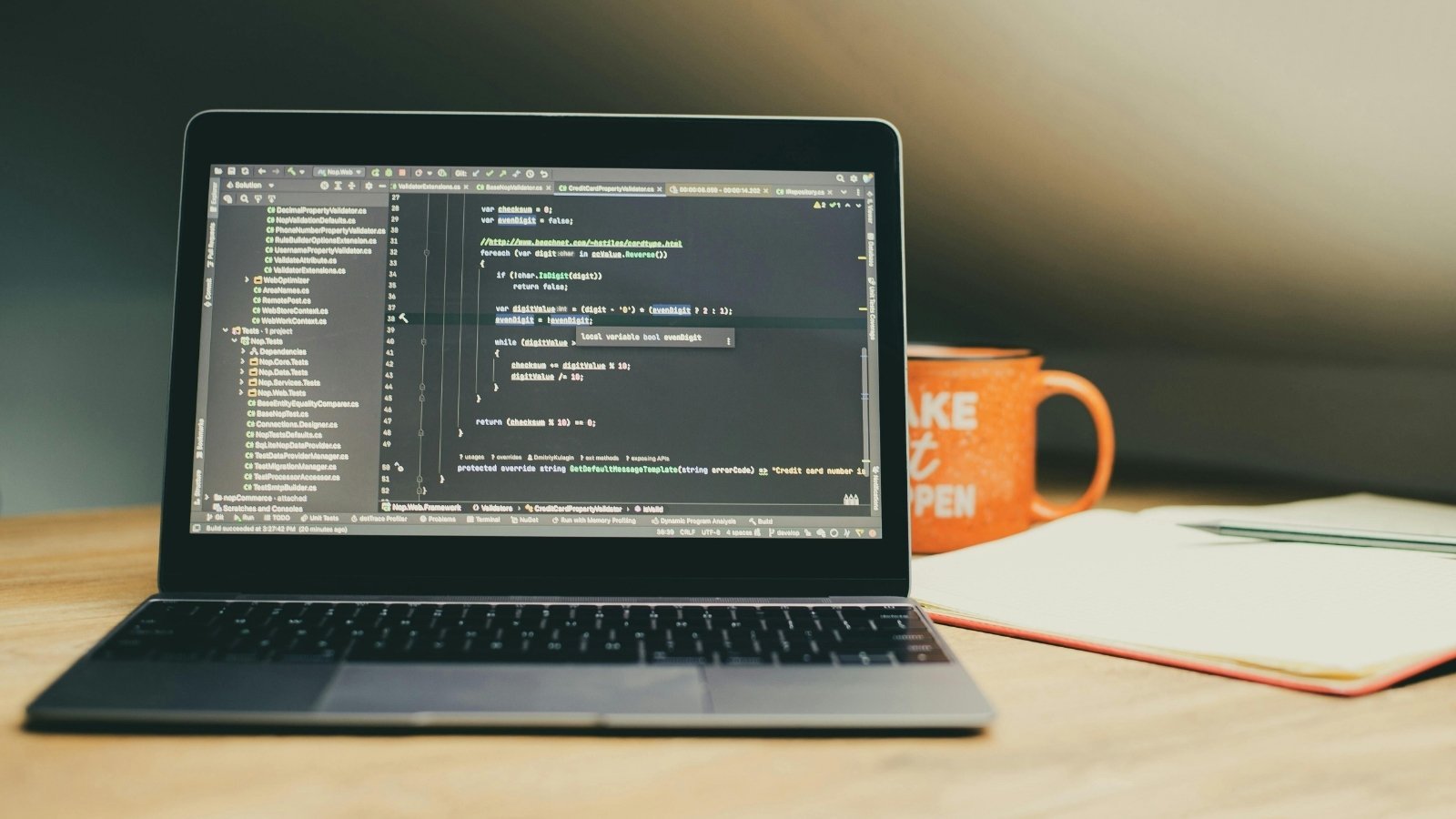
Programming is one of the most demanding professional activities when it comes to choosing the right laptop. Developers spend countless hours writing code, running virtual machines, compiling applications, testing software, and managing multiple development environments. A slow or unreliable laptop can significantly reduce productivity and create unnecessary frustration. Whether you are a beginner learning your first programming language or an experienced software engineer working on large-scale projects, selecting the right laptop can make a substantial difference in your daily workflow.
The market is filled with countless laptop options, each promising excellent performance and productivity. However, not every laptop is suitable for programming. Factors such as processing power, memory, battery life, keyboard comfort, display quality, and operating system compatibility play a critical role in determining whether a device is truly developer-friendly. In this article, we will explore the best laptops for programming and discuss what makes them ideal choices for developers in different fields.
Why Does Choosing the Right Laptop Matter So Much for Programming Success?
A programmer’s laptop is more than just a device; it is the primary tool used to build software, debug applications, and collaborate with teams. Unlike casual users who primarily browse the web or stream videos, developers often run multiple applications simultaneously. Integrated development environments (IDEs), databases, browsers with dozens of tabs, Docker containers, and virtual machines can consume significant system resources.
A powerful laptop ensures smooth multitasking and faster code compilation. It also minimizes downtime and improves overall efficiency. Furthermore, comfortable keyboards and high-quality displays help reduce fatigue during long coding sessions. Investing in the right laptop can therefore enhance productivity and provide a better development experience over the long term.
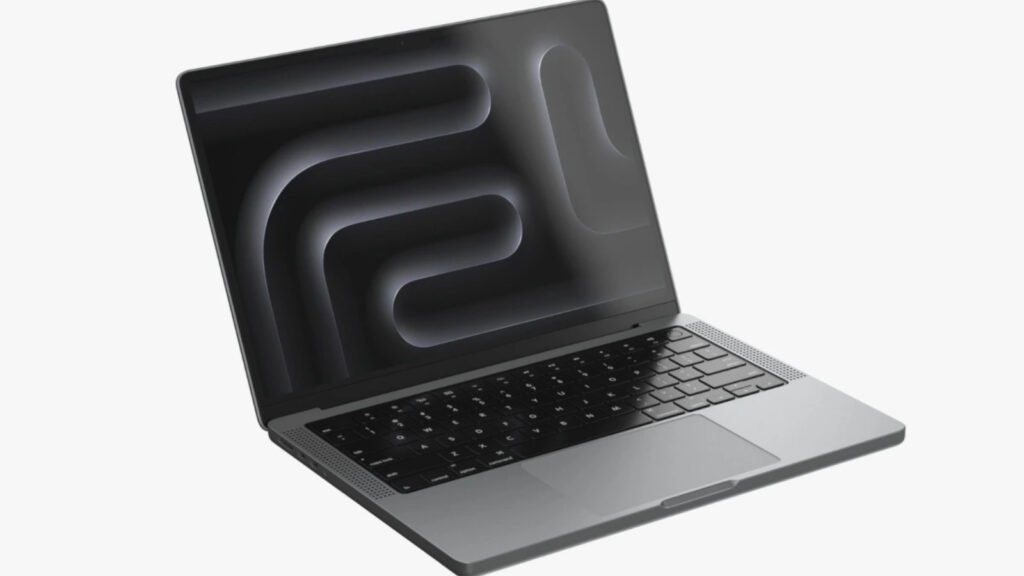
What Makes the Apple MacBook Pro One of the Most Popular Choices Among Developers?
The Apple MacBook Pro continues to be one of the most highly recommended laptops for programming. Powered by Apple’s advanced silicon chips, the MacBook Pro delivers exceptional performance while maintaining remarkable battery life. Developers working with web development, mobile applications, artificial intelligence, and cloud technologies often choose the MacBook Pro because of its reliability and efficiency.
One of the biggest advantages of the MacBook Pro is its Unix-based macOS operating system. This environment closely resembles Linux, making it easier for developers to work with command-line tools, servers, and open-source technologies. Additionally, macOS is the only platform capable of developing applications for iPhones and iPads using Xcode.
The laptop’s Retina display provides excellent color accuracy and sharp text rendering, which makes reading code more comfortable. Combined with its premium build quality and industry-leading battery life, the MacBook Pro remains an excellent choice for professional developers.
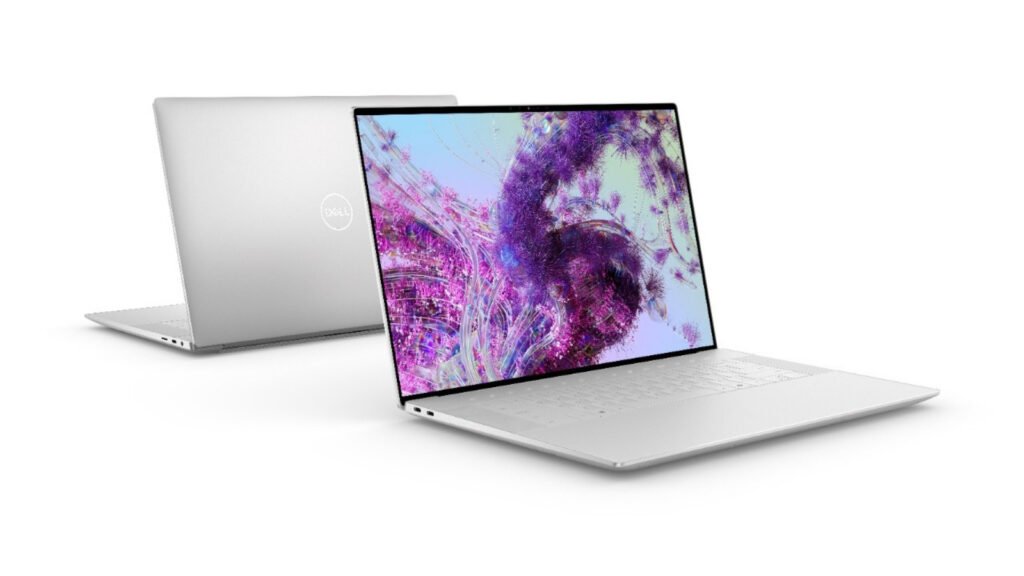
How Does the Dell XPS Series Deliver an Outstanding Windows Programming Experience?
The Dell XPS series has earned a reputation as one of the best Windows laptops for programmers. It combines powerful hardware with an elegant design and a stunning display. Developers who prefer Windows but still want a premium experience often consider the Dell XPS their first choice.
The latest Dell XPS models feature powerful Intel Core Ultra processors, generous memory configurations, and fast SSD storage. These specifications allow developers to run resource-intensive development tools without performance issues. The near-borderless display provides more screen space for coding, which can improve productivity during long development sessions.
Another major advantage is compatibility. Windows supports a vast range of programming tools, frameworks, and enterprise software. Combined with Windows Subsystem for Linux (WSL), developers can enjoy both Windows and Linux environments on a single machine. This flexibility makes the Dell XPS an excellent all-around programming laptop.
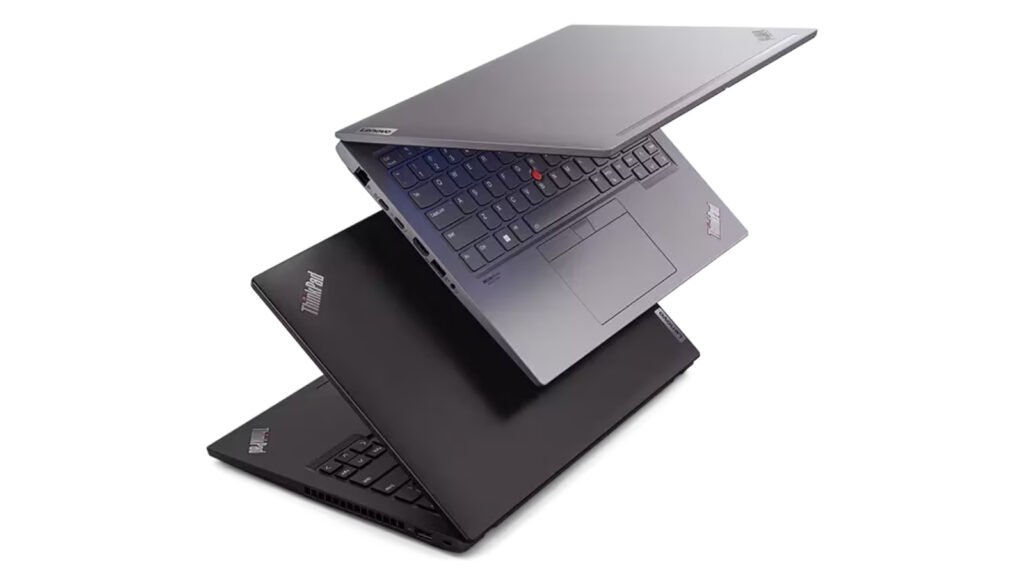
Why Is the Lenovo ThinkPad Series Still Trusted by Professional Software Engineers?
The Lenovo ThinkPad lineup has long been associated with productivity, durability, and business-class performance. Many software engineers, system administrators, and enterprise developers continue to rely on ThinkPads for their daily work.
One of the standout features of ThinkPad laptops is their exceptional keyboard quality. Since programmers spend hours typing code, a comfortable keyboard can significantly improve the overall experience. ThinkPads are widely regarded as having some of the best keyboards available on any laptop.
Beyond the keyboard, ThinkPads offer excellent build quality and reliability. Many models are tested against military-grade durability standards, making them suitable for professionals who travel frequently. They also provide extensive connectivity options, including USB ports, HDMI outputs, and Ethernet support, which are often lacking in thinner laptops.
For developers seeking a dependable machine focused on productivity rather than aesthetics, the ThinkPad remains a top contender.
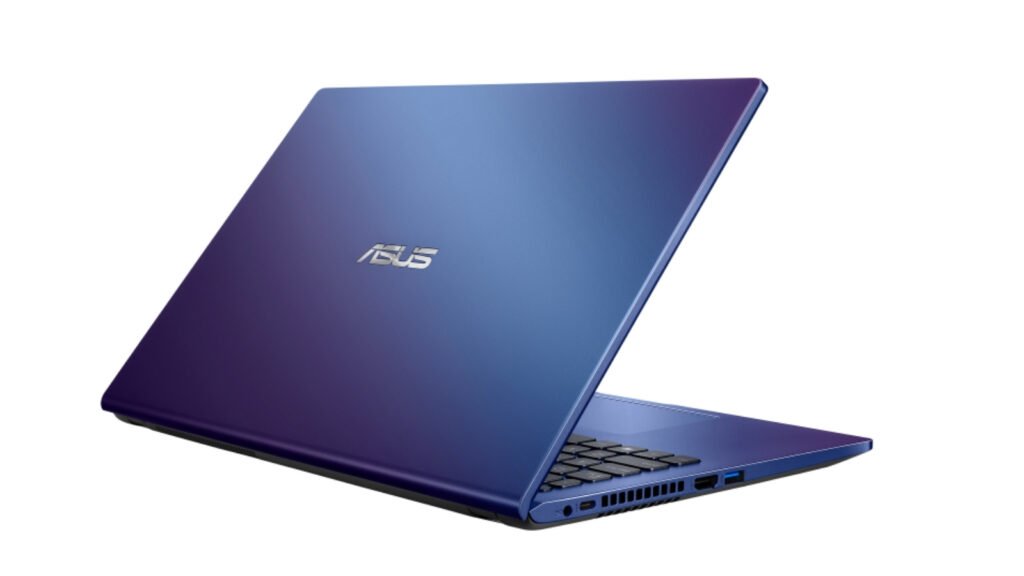
Which ASUS Laptops Offer the Best Balance Between Performance and Affordability?
Not every programmer needs an ultra-premium laptop. Many students, freelance developers, and aspiring coders require a machine that provides excellent performance without a premium price tag. This is where ASUS laptops excel.
The ASUS Zenbook and ASUS ROG series offer powerful specifications at competitive prices. Zenbook models are ideal for general programming, web development, and software engineering tasks. They feature lightweight designs, vibrant displays, and solid battery life, making them excellent choices for students and remote workers.
For developers working with game development, machine learning, or graphics-intensive applications, ASUS ROG laptops provide dedicated graphics cards and high-performance processors. These features allow developers to handle demanding workloads while maintaining excellent system responsiveness.
ASUS has successfully positioned itself as a brand that delivers strong value for money, making its laptops attractive options for programmers on a budget.
How Can Microsoft Surface Laptops Help Developers Stay Productive Anywhere?
The Microsoft Surface Laptop series is known for its portability, elegant design, and seamless integration with the Windows ecosystem. These devices are particularly appealing to developers who frequently work remotely or travel for business.
Surface laptops offer premium displays with excellent resolution and touch support. Their lightweight construction makes them easy to carry throughout the day, while modern processors provide sufficient power for most programming tasks.
Developers working with .NET technologies, Microsoft Azure services, and Windows-based development environments often appreciate the optimized integration offered by Surface devices. The combination of portability and performance makes the Surface Laptop a practical option for professionals who prioritize mobility.
What Laptop Specifications Should Programmers Prioritize Before Making a Purchase?
When evaluating programming laptops, specifications matter more than marketing claims. The processor should be one of the primary considerations because it directly impacts compilation speeds and multitasking performance. Modern Intel Core Ultra, AMD Ryzen, or Apple Silicon processors are generally recommended.
Memory is equally important. While 8GB of RAM may be sufficient for beginners, 16GB should be considered the minimum for serious programming work. Developers who frequently use virtual machines, Docker containers, or machine learning frameworks may benefit from 32GB or more.
Storage also plays a critical role. Solid-state drives (SSDs) provide significantly faster performance than traditional hard drives. A minimum of 512GB SSD storage is recommended, although 1TB is ideal for developers managing large projects.
Display quality should not be overlooked. High-resolution screens improve readability and reduce eye strain during long coding sessions. Battery life, keyboard comfort, and portability should also be considered based on individual work habits and preferences.
Which Laptop Is the Best Choice for Different Types of Programming Work?
The ideal programming laptop often depends on the type of development work being performed. Web developers typically benefit from lightweight laptops with excellent battery life and fast processors. Mobile app developers may require a MacBook Pro for iOS development or a Windows machine for Android-focused projects.
Game developers often need dedicated graphics cards and powerful CPUs to handle game engines such as Unity or Unreal Engine. Data scientists and machine learning engineers frequently require larger memory capacities and powerful processors capable of managing large datasets and complex computations.
Enterprise software developers, meanwhile, often prioritize reliability, security features, and compatibility with corporate systems. Understanding your specific programming requirements can help narrow down the best laptop option.
Why Should Developers Consider Long-Term Value Instead of Just Initial Price?
Many buyers focus primarily on the upfront cost of a laptop. While budget is certainly important, developers should also consider long-term value. A slightly more expensive laptop that remains reliable and performant for five years may ultimately be a better investment than a cheaper device that requires replacement after two years.
Premium laptops often provide better build quality, longer software support, superior battery life, and higher resale value. These factors contribute to a lower total cost of ownership over time. Since a laptop serves as a developer’s primary work tool, prioritizing quality can lead to greater productivity and fewer interruptions.
What Is the Final Verdict on the Best Laptops for Programming in 2026?
The best laptop for programming depends on your specific needs, preferred operating system, and budget. The Apple MacBook Pro stands out for developers seeking exceptional performance, battery life, and a Unix-based environment. The Dell XPS remains one of the strongest Windows alternatives with excellent hardware and flexibility. Lenovo ThinkPads continue to dominate among professionals who value reliability and keyboard quality, while ASUS laptops provide impressive performance at competitive prices. Microsoft Surface devices offer an ideal combination of portability and productivity for developers on the move.
Ultimately, programmers should focus on choosing a laptop with a powerful processor, sufficient RAM, fast SSD storage, and a comfortable keyboard. By selecting a machine that aligns with their workflow and future needs, developers can create a more productive, efficient, and enjoyable programming experience for years to come.
Choosing the right development machine can be easier when you compare it with other top devices featured in our articles to the best gaming laptops and best laptop in 2026.
