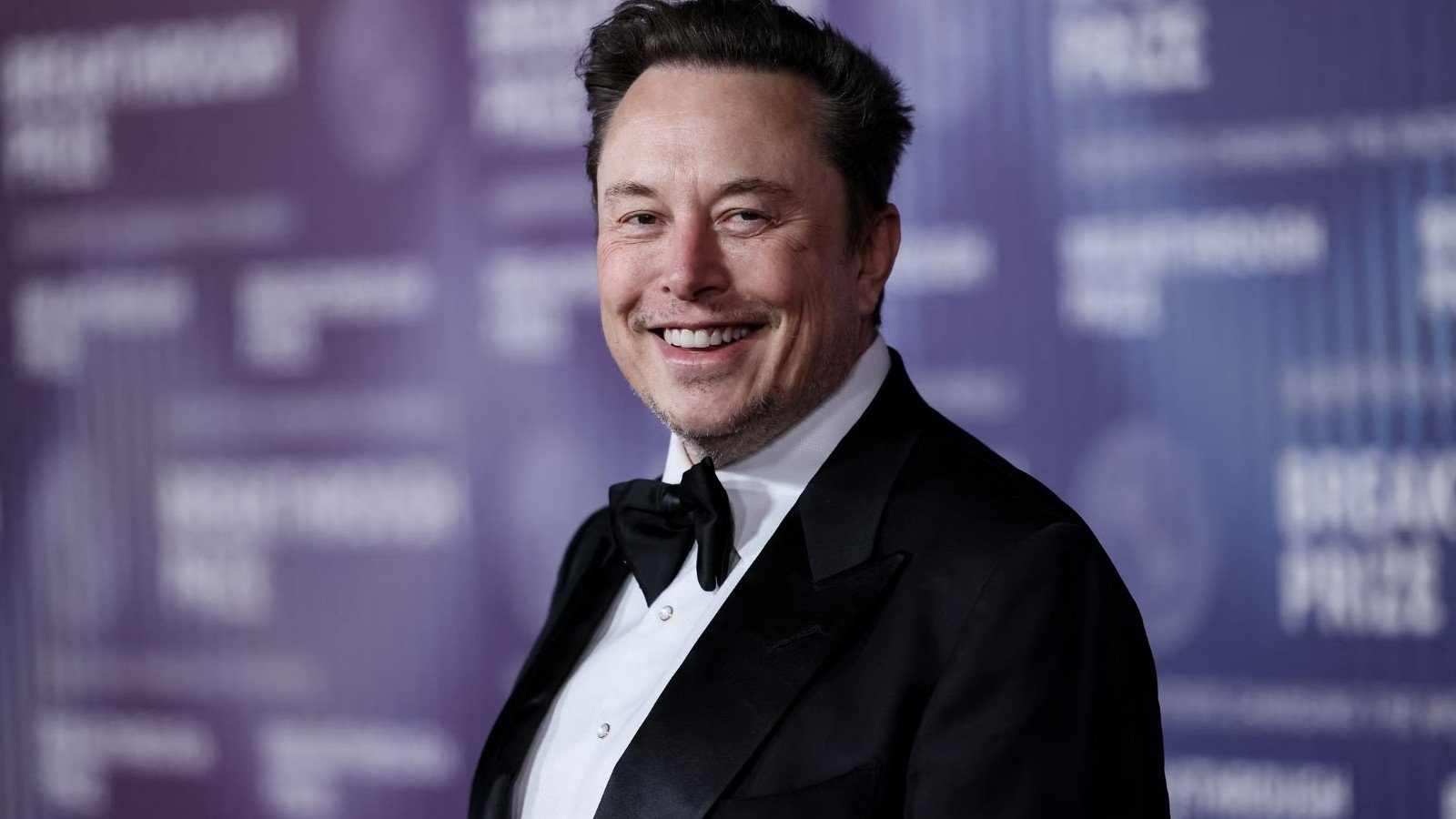
How a Curious Child from South Africa Developed a Passion for Technology and Innovation
Elon Musk is one of the most influential and talked-about entrepreneurs of the modern era. Known for his ambitious goals, ground breaking companies, and bold vision for the future, Musk has transformed industries ranging from electric vehicles and space exploration to artificial intelligence and renewable energy. His journey from a young boy growing up in South Africa to becoming one of the richest and most powerful business leaders in the world is a story filled with determination, risk-taking, innovation, and resilience.
Born on June 28, 1971, in Pretoria, South Africa, Elon Reeve Musk showed signs of exceptional intelligence from a very young age. He was an avid reader who spent countless hours immersed in books covering science, technology, and philosophy. Musk often described himself as a quiet and introverted child who preferred reading and learning over social activities. His fascination with computers began early, and by the age of twelve, he had taught himself computer programming and created a video game called Blastar, which he sold for approximately $500. This early achievement hinted at the entrepreneurial spirit that would later define his career.
The Educational Journey That Helped Shape Elon Musk’s Entrepreneurial Mindset
Musk attended several schools in South Africa before deciding to pursue greater opportunities abroad. At the age of seventeen, he moved to Canada and enrolled at Queen’s University in Ontario. This decision was partly motivated by his desire to avoid mandatory military service in South Africa and partly by his ambition to eventually move to the United States.
After studying at Queen’s University for two years, Musk transferred to the University of Pennsylvania. There, he earned two degrees: a Bachelor of Science in Physics and a Bachelor of Arts in Economics. These academic disciplines provided him with a unique combination of technical expertise and business knowledge. While many students followed traditional career paths after graduation, Musk was already thinking about how technology could be used to solve large-scale global challenges.
Following his graduation, he briefly attended Stanford University to pursue a Ph.D. in applied physics. However, he left the program after just two days. The internet boom of the mid-1990s presented opportunities that seemed too significant to ignore, and Musk decided to pursue entrepreneurship instead of academia.
The Creation of Zip2 Marked the Beginning of Elon Musk’s Business Success Story
In 1995, Elon Musk and his brother Kimbal Musk founded Zip2, a software company that provided online city guides and business directories for newspapers. At a time when many businesses were only beginning to understand the internet’s potential, Zip2 offered valuable digital solutions that helped traditional media companies establish an online presence.
The company faced numerous challenges during its early years. Musk often worked long hours, sleeping in the office and dedicating nearly all his time to developing the business. His relentless work ethic played a crucial role in Zip2’s growth. In 1999, Compaq acquired Zip2 for approximately $307 million, providing Musk with his first significant financial success.
The sale of Zip2 gave Musk both capital and confidence. Rather than slowing down, he immediately began exploring new ventures that could reshape entire industries.
How X.com and PayPal Revolutionized Online Financial Transactions Around the World
Following the success of Zip2, Musk founded X.com in 1999, an online financial services and digital payment company. At the time, internet banking was still in its infancy, and many consumers were hesitant to conduct financial transactions online. Musk believed that digital payments would become an essential part of everyday life.
X.com later merged with Confinity, a company that had developed a payment service known as PayPal. The merged company focused on creating a secure and convenient platform for online transactions. Despite internal disagreements and leadership changes, PayPal experienced rapid growth and became one of the most popular payment solutions on the internet.
In 2002, eBay acquired PayPal for $1.5 billion in stock. Musk, as the largest shareholder, received a substantial payout. This financial windfall enabled him to pursue even bigger and more ambitious projects that many considered impossible.
Why Elon Musk Decided to Invest His Fortune in Space Exploration and Renewable Energy
Unlike many successful entrepreneurs who focus on preserving their wealth, Musk chose to invest most of his fortune into high-risk ventures. He believed humanity faced significant long-term challenges, including climate change and the need to become a multi-planetary species.
Musk invested heavily in three companies that reflected these goals: SpaceX, Tesla, and SolarCity. At the time, critics questioned the wisdom of risking so much capital on industries known for their complexity and high failure rates. However, Musk remained committed to his vision.
His willingness to take extraordinary risks became one of the defining characteristics of his career. Even during periods when his companies faced financial difficulties, he continued investing his own resources to keep them operational.
The Founding of SpaceX and the Mission to Make Humanity a Multi-Planetary Species
In 2002, Elon Musk founded Space Exploration Technologies Corp., better known as SpaceX. The company was established with the ambitious goal of reducing space transportation costs and ultimately enabling human settlement on Mars.
SpaceX faced significant obstacles during its early years. The company experienced multiple rocket launch failures, leading many observers to doubt its future. Financial pressures mounted, and the company came close to collapse. However, after several setbacks, SpaceX successfully launched the Falcon 1 rocket into orbit in 2008.
This achievement marked a turning point. SpaceX later secured contracts with NASA and developed advanced launch systems including the Falcon 9 rocket and Dragon spacecraft. The company became the first private organization to send a spacecraft to the International Space Station and successfully return it to Earth.
Today, SpaceX is widely regarded as one of the most innovative aerospace companies in the world. Its reusable rocket technology has significantly reduced launch costs and transformed the economics of space travel.
The Remarkable Transformation of Tesla into a Global Electric Vehicle Leader
Although Elon Musk was not the original founder of Tesla, he became deeply involved in the company during its early stages and eventually assumed leadership. Tesla’s mission was to accelerate the world’s transition to sustainable energy through electric vehicles and clean energy solutions.
When Tesla entered the automotive market, many experts believed electric vehicles would remain niche products. Musk disagreed. He envisioned electric cars that were not only environmentally friendly but also powerful, stylish, and technologically advanced.
Under Musk’s leadership, Tesla introduced several groundbreaking models, including the Roadster, Model S, Model 3, Model X, and Model Y. These vehicles helped change public perceptions of electric transportation and encouraged traditional automakers to accelerate their own electric vehicle programs.
Tesla’s growth transformed it from a struggling startup into one of the most valuable automobile companies in history. The company also expanded into battery technology, energy storage systems, and solar energy products.
How Elon Musk Continued Expanding His Influence Through Innovative Technology Ventures
Beyond SpaceX and Tesla, Musk has launched and supported numerous ventures aimed at solving complex technological challenges. In 2016, he co-founded Neuralink, a company focused on developing brain-computer interface technologies that could potentially help people with neurological disorders.
He also founded The Boring Company, which aims to reduce urban traffic congestion through underground transportation tunnels. Another notable initiative is xAI, which focuses on advancing artificial intelligence research.
Musk’s projects often appear futuristic, but they are driven by a common theme: using technology to address significant problems facing humanity. Whether it involves transportation, energy, communication, or artificial intelligence, his ventures consistently challenge conventional thinking.
The Leadership Style and Work Ethic That Set Elon Musk Apart from Other Entrepreneurs
One of the most frequently discussed aspects of Musk’s career is his extraordinary work ethic. He is known for working extremely long hours and maintaining deep involvement in the engineering and operational details of his companies.
Employees and colleagues often describe him as demanding, highly analytical, and intensely focused on results. While this management style has generated both praise and criticism, it has undeniably contributed to the rapid pace of innovation within his organizations.
Musk frequently emphasizes first-principles thinking, a problem-solving approach that involves breaking complex issues down into their most fundamental elements and rebuilding solutions from the ground up. This methodology has helped him challenge assumptions and develop unconventional strategies.
The Challenges, Controversies and Public Attention That Have Followed Elon Musk Throughout His Career
Despite his achievements, Musk’s career has not been without controversy. His public statements, social media activity, and management decisions have often attracted widespread media attention. Some critics argue that his communication style can be unpredictable, while supporters view it as refreshingly direct and authentic.
Tesla has faced production challenges, regulatory scrutiny, and market volatility. SpaceX has encountered technical setbacks and operational risks. Nevertheless, Musk has consistently demonstrated an ability to overcome obstacles and continue pursuing ambitious goals.
His acquisition of social media platform X, formerly known as Twitter, generated significant public debate and further increased his influence on global conversations about technology, communication, and free expression.
Understanding Elon Musk’s Lasting Impact on Technology, Business, and the Future of Humanity
Elon Musk’s influence extends far beyond the companies he leads. His success has inspired a new generation of entrepreneurs to pursue ambitious ideas and tackle large-scale challenges. He has helped accelerate innovation in electric vehicles, private spaceflight, renewable energy, artificial intelligence, and advanced manufacturing.
Few individuals have had such a broad impact across multiple industries simultaneously. Whether admired or criticized, Musk has undeniably changed the way people think about technology’s role in shaping the future.
As humanity continues to confront challenges related to sustainability, transportation, and technological advancement, Musk’s work is likely to remain highly relevant. His vision of a future powered by clean energy, supported by advanced artificial intelligence, and expanded beyond Earth continues to influence business leaders, policymakers, scientists, and innovators around the world.
Conclusion: The Extraordinary Journey of Elon Musk from Entrepreneur to Global Innovator
The biography of Elon Musk is a story of ambition, persistence, and transformative innovation. From teaching himself programming as a child in South Africa to leading some of the world’s most influential technology companies, Musk has repeatedly demonstrated a willingness to challenge conventional limits.
His achievements with PayPal, Tesla, SpaceX, Neuralink, and other ventures have reshaped industries and inspired millions of people worldwide. While his methods and opinions may sometimes spark debate, his contributions to technology and entrepreneurship are impossible to ignore.
As the world looks toward the future, Elon Musk remains one of the most influential figures driving innovation and exploring possibilities that once seemed confined to science fiction. His journey serves as a powerful example of how vision, determination, and calculated risk-taking can create lasting change on a global scale.
For more insights into global billionaires and business leaders read our detailed analysis of the top 10 richest Indian businessmen in 2026 and how they built their fortunes.
