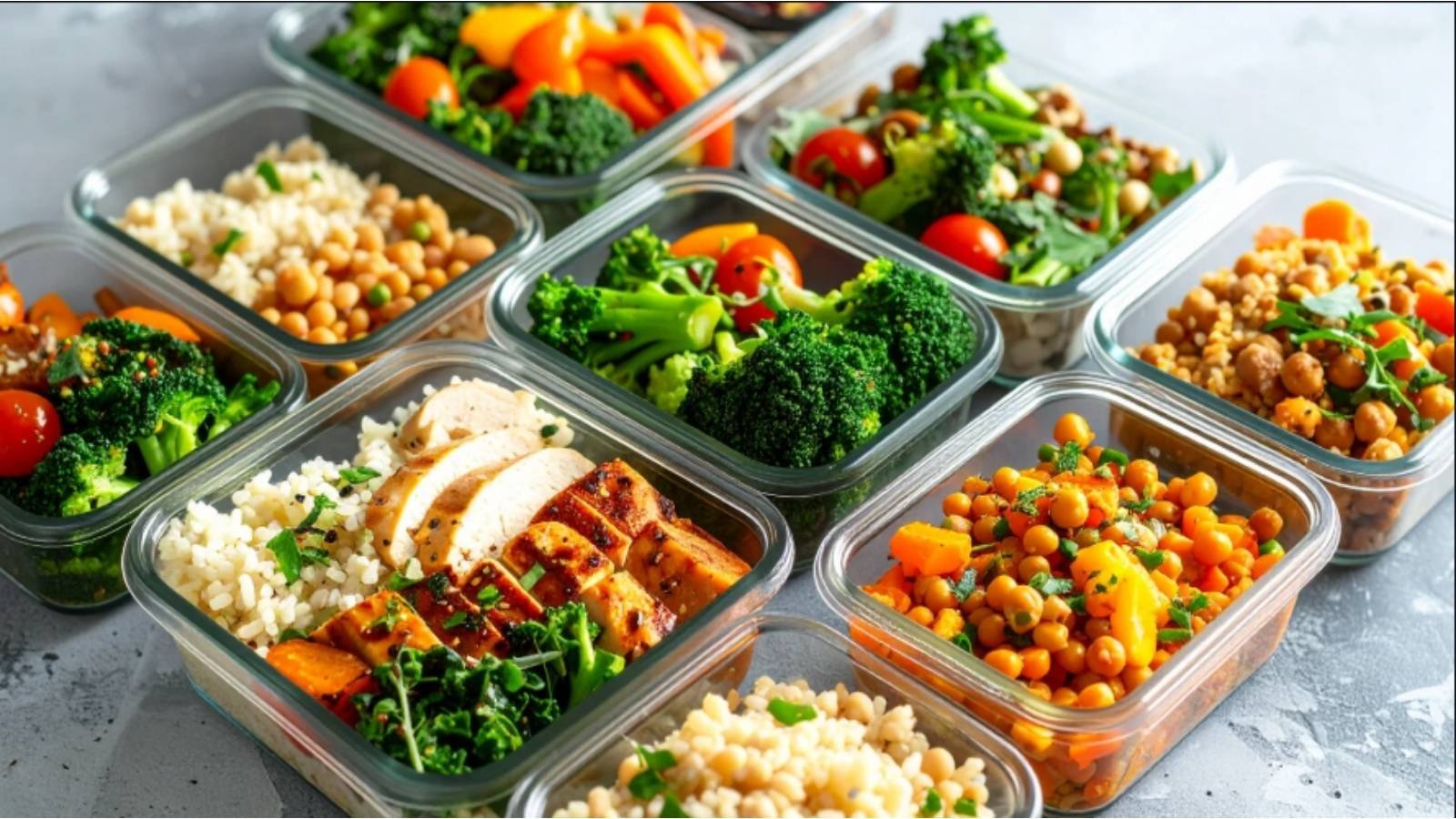
Healthy meal prep means preparing meals or ingredients in advance so you eat well during busy weeks. Start with a simple plan, batch-cook proteins and grains, mix and match components, and store food safely. This saves time, reduces food waste, and helps you make better food choices.
Meal prep is one of the most reliable ways to eat well when life gets busy. You set aside a little time once or twice a week, and your future self reaps the rewards. No more last-minute takeout. No more staring into the fridge at 7 p.m. with no plan.
This guide walks you through practical Healthy Meal Prep Ideas you can use right away. You’ll learn how to plan your meals, which foods hold up best, how to keep everything safe to eat, and how to build balanced plates without spending your whole weekend in the kitchen. Whether you’re cooking for one or feeding a family, these Healthy Meal Prep Ideas are built on the same core principles that make eating well simpler and more sustainable.
Let’s start with why meal prep works — and then get into the recipes and strategies.
Table of Contents
Why is meal prep worth your time?
Meal prep saves time, money, and mental energy. When your meals are ready to go, you spend less on impulse takeout and waste less food. You also remove dozens of small decisions from your week, which makes it easier to stick to your goals.
Here’s what regular meal prep can do for you:
- Save money: Cooking in batches costs less per serving than ordering individual meals.
- Reduce food waste: Planning ahead means you buy and use what you need.
- Support better eating: When healthy food is ready, you’re more likely to eat it.
- Free up time on weeknights: A reheated meal takes minutes, not an hour.
The trade-off is the upfront effort. You’ll spend one to three hours on a prep day, depending on how much you make. For most people, that time pays off across the week.
How do you start meal prepping as a beginner?
Start small. Pick a few meals, prep a handful of ingredients, and build from there. Trying to prep every meal for the whole week is the fastest way to burn out.
Here’s a simple way to begin:
- Choose your meals. Pick two or three recipes you already enjoy.
- Make a grocery list. Write down exactly what you need to avoid overbuying.
- Pick a prep day. Sunday and Wednesday are popular choices.
- Cook in batches. Make several servings of each dish at once.
- Portion and store. Divide food into containers and refrigerate or freeze.
Once this feels routine, you can add more meals or try more advanced recipes. The goal is consistency, not perfection.
What are the different meal prep methods?
There’s no single right way to meal prep. The best method depends on your schedule, your kitchen, and how much variety you want. Most people use one of four approaches.
Batch cooking: You make large quantities of one or two dishes, then eat them throughout the week. This works well for soups, stews, and casseroles. The downside is repetition — you’ll eat the same thing several days in a row.
Ingredient prep: You wash, chop, and cook individual components like grains, proteins, and vegetables. Then you assemble fresh meals each day. This offers more variety but takes a little assembly time daily.
Ready-to-eat meals: You portion complete meals into individual containers, ready to grab and reheat. This is the most convenient option, ideal for hectic mornings and packed lunches.
Freezer prep: You cook meals in bulk and freeze them for later weeks. This is useful for stocking up and works well for foods that freeze cleanly, like chili and baked pasta.
You can also mix methods. Many people batch-cook a protein, prep vegetables separately, and assemble meals as they go.
What are some healthy meal prep ideas for breakfast?
Breakfast is one of the easiest meals to prep ahead. A little preparation means you skip the morning scramble and still eat something balanced.
Try these make-ahead breakfast ideas:
- Overnight oats: Combine rolled oats, milk or yogurt, and your favorite toppings in a jar. Refrigerate overnight and eat cold. They keep for up to four days.
- Egg muffins: Whisk eggs with chopped vegetables and bake in a muffin tin. Store in the fridge and reheat in seconds.
- Greek yogurt parfaits: Layer yogurt, fruit, and a sprinkle of nuts or granola. Add granola just before eating so it stays crunchy.
- Chia pudding: Mix chia seeds with milk and let them thicken overnight. Top with fruit for fiber and healthy fats.
Each of these gives you protein or fiber to start the day, which helps you feel full longer.
What are healthy meal prep ideas for lunch and dinner?
Lunch and dinner come together easily when you build meals from a few prepped components. Think of each plate as a formula: a protein, a whole grain or starchy vegetable, and plenty of non-starchy vegetables.
Here are reliable options that store and reheat well:
- Grain bowls: Combine cooked quinoa or brown rice with roasted vegetables and a protein like chicken, tofu, or chickpeas. Add a sauce on the side.
- Sheet-pan dinners: Roast a protein and vegetables together on one tray. Minimal cleanup, and the components reheat nicely.
- Soups and stews: Lentil soup, chili, and vegetable stew all keep well and often taste better the next day.
- Stir-fries: Cook a big batch of vegetables and protein, then serve over rice or noodles throughout the week.
- Mason jar salads: Layer dressing at the bottom, hardy vegetables in the middle, and greens on top. The greens stay dry until you shake the jar.
To keep meals interesting, change your sauces and seasonings rather than your whole recipe. The same grilled chicken tastes different with a lemon-herb dressing, a peanut sauce, or a smoky spice rub.
How do you build a balanced meal prep plate?
A balanced plate combines protein, whole grains, and vegetables in sensible proportions. This mix keeps you full, supports steady energy, and covers a wide range of nutrients.
A useful guideline is the plate method:
- Half your plate: Non-starchy vegetables like broccoli, spinach, peppers, and carrots.
- One quarter: Lean protein such as chicken, fish, beans, tofu, or eggs.
- One quarter: Whole grains or starchy vegetables like brown rice, quinoa, or sweet potato.
Add a small amount of healthy fat — olive oil, avocado, nuts, or seeds — to help your body absorb certain vitamins and round out the meal. Fat also adds flavor and helps you feel satisfied.
This framework is flexible. You don’t need to measure everything. Use it as a mental checklist when you fill your containers.
Which foods hold up best for meal prep?
Some foods stay fresh and tasty for days, while others lose their texture quickly. Choosing the right ingredients makes a big difference in how your prepped meals turn out.
Foods that store well:
- Cooked grains like rice, quinoa, and farro
- Roasted root vegetables and squash
- Beans, lentils, and chickpeas
- Cooked chicken, beef, and firm tofu
- Hardy greens like kale and cabbage
Foods that need extra care:
- Leafy salads — store dressing separately to prevent sogginess
- Avocado — cut fresh, since it browns quickly
- Crispy items like granola and croutons — add just before eating
- Fish — eat within one to two days for the best quality
If a food turns mushy or watery when stored, prep it separately and combine it at the last minute.
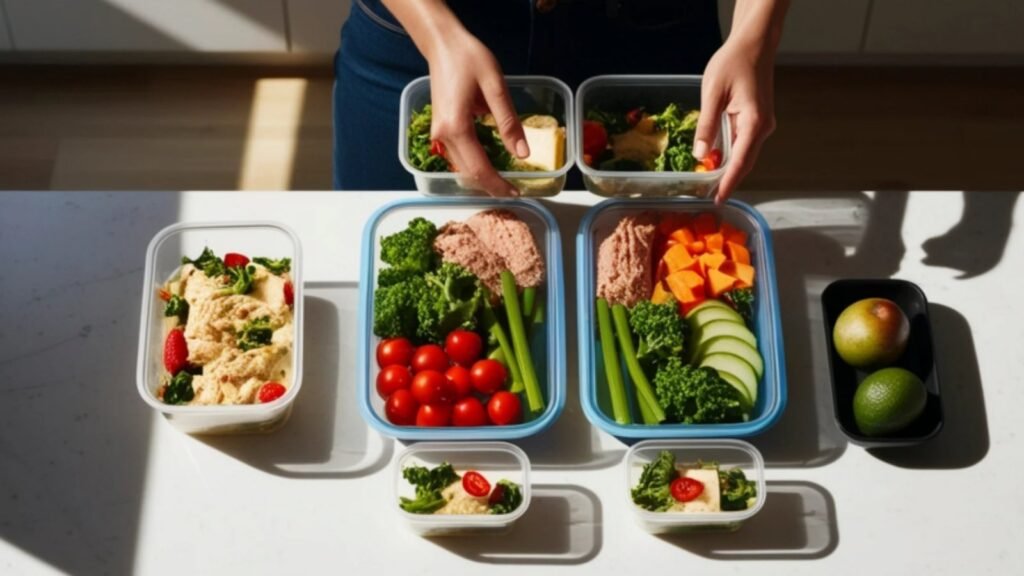
How long does prepped food stay safe to eat?
Most cooked meals stay safe in the refrigerator for three to four days. For anything you won’t eat in that window, the freezer is your best option.
Follow these food safety guidelines:
- Refrigerate within two hours of cooking to limit bacterial growth.
- Store in airtight containers to keep food fresh and prevent odors.
- Eat refrigerated meals within three to four days, per general food safety guidance.
- Freeze meals for up to two to three months for longer storage.
- Reheat thoroughly until the food is steaming hot all the way through.
When in doubt, throw it out. If a meal smells off or looks unusual, don’t risk it. Label your containers with the date you cooked them so you always know how old your food is.
How do you keep meal prep affordable?
Meal prep can lower your food costs if you shop and cook strategically. The savings come from buying in bulk, using inexpensive staples, and wasting less.
A few practical tips:
- Build meals around beans, lentils, eggs, and frozen vegetables — all budget-friendly and nutritious.
- Buy proteins in bulk when they’re on sale, then freeze what you don’t use right away.
- Choose seasonal produce, which usually costs less and tastes better.
- Repurpose leftovers into new meals, like turning roasted vegetables into a soup.
You don’t need expensive ingredients or special containers to eat well. Simple, whole foods cooked at home almost always cost less than takeout.
Make meal prep a habit that lasts
Healthy meal prep isn’t about cooking elaborate dishes or filling your fridge with twenty containers. It’s about a repeatable system that fits your life. Start with two or three meals, lean on foods that store well, and follow basic safety rules so your food stays fresh and safe.
Your next step is simple: pick one prep method, choose a couple of recipes from this guide, and block out an hour this week to try it. Once you feel the relief of having meals ready to go, you’ll understand why so many people stick with it.
Over time, you’ll find a rhythm that works for you — and eating well will feel less like a chore and more like second nature.
Frequently asked questions
How many days of meals should I prep at once?
Most people prep three to four days of meals at a time. This keeps food fresh within safe refrigeration limits. If you want a full week, freeze the later meals and refrigerate only what you’ll eat in the next few days.
Can I meal prep if I don’t like eating the same thing every day?
Yes. Use the ingredient prep method instead of batch cooking. Prepare proteins, grains, and vegetables separately, then combine them in different ways each day. Changing your sauces and seasonings also keeps meals varied without extra cooking.
Is meal prep healthy?
Meal prep can support healthier eating because you control the ingredients, portions, and cooking methods. When you build balanced plates with protein, whole grains, and vegetables, prepped meals are often more nutritious than takeout or convenience food.
What containers are best for meal prep?
Airtight containers work best because they keep food fresh and prevent spills. Glass containers are durable and safe to reheat, while BPA-free plastic containers are lighter and more affordable. Choose containers with compartments if you want to keep components separate.
Do I need special equipment to start meal prepping?
No. A few basics are enough: a sheet pan, a large pot, a cutting board, and some storage containers. As you prep more often, tools like a slow cooker or extra containers can make the process easier, but they aren’t required to start.
