

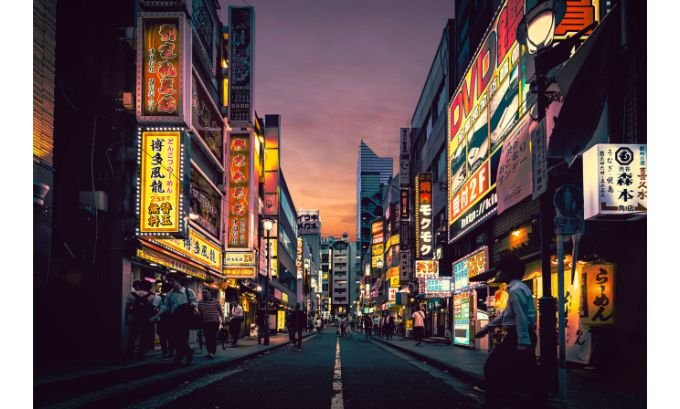
Tokyo’s neon-lit skyline and bustling streets draw millions of visitors each year, but what does it actually cost to call this megacity home? Whether you’re considering a move for work, study, or adventure, understanding Tokyo’s living expenses is crucial for planning your budget and lifestyle.
This guide breaks down the living cost in japan tokyo that you’ll encounter in Japan’s capital, from rent and groceries to transportation and entertainment, giving you a realistic picture of what to expect.
Housing: Your Biggest Monthly Expense
Housing will likely consume the largest portion of your budget in Tokyo. The cost varies dramatically depending on location, size, and apartment type.
Average Monthly Rent:
- Studio apartment in central Tokyo: ¥80,000-150,000 ($550-1,030)
- One-bedroom in central areas: ¥120,000-200,000 ($825-1,375)
- Studio in outer Tokyo areas: ¥50,000-80,000 ($345-550)
- One-bedroom in outer areas: ¥70,000-120,000 ($480-825)
Popular neighborhoods like Shibuya, Shinjuku, and Ginza command premium prices, while areas like Katsushika, Adachi, or Itabashi offer more affordable options with slightly longer commutes to central business districts.
Don’t forget the upfront costs when securing an apartment in Tokyo. You’ll typically need to pay key money (reikin), security deposit (shikikin), and agent fees, which can total 4-6 months’ rent initially.
Daily Living Expenses
Food and Groceries
Tokyo offers dining options for every budget, though eating out regularly can add up quickly.
Grocery Essentials (Monthly):
- Rice (5kg): ¥2,000-3,000 ($14-20)
- Milk (1L): ¥200-250 ($1.40-1.70)
- Eggs (dozen): ¥200-300 ($1.40-2.00)
- Chicken breast (1kg): ¥800-1,200 ($5.50-8.25)
- Fresh vegetables: ¥5,000-8,000 ($35-55)
A typical monthly grocery bill for one person ranges from ¥25,000-40,000 ($170-275), depending on your shopping habits and preference for imported goods.
Dining Out:
- Convenience store meal: ¥300-600 ($2-4)
- Lunch at casual restaurant: ¥800-1,500 ($5.50-10)
- Dinner at mid-range restaurant: ¥2,000-4,000 ($14-27)
- High-end dining: ¥10,000+ ($68+)
Transportation
Tokyo’s extensive public transportation system is efficient but can be costly for daily commuting.
- Monthly commuter pass (within central Tokyo): ¥10,000-15,000 ($68-103)
- Single train ride: ¥140-320 ($1-2.20)
- Taxi (base fare): ¥410 ($2.80) for first 1.2km
- Bicycle purchase: ¥15,000-40,000 ($103-275)
Many residents find that purchasing a monthly pass for their regular commute routes offers the best value.
Utilities and Services
Monthly Utilities (1-2 person household):
- Electricity: ¥4,000-8,000 ($27-55)
- Gas: ¥3,000-6,000 ($20-41)
- Water: ¥2,000-4,000 ($14-27)
- Internet: ¥4,000-6,000 ($27-41)
- Mobile phone: ¥3,000-8,000 ($20-55)
Seasonal variations affect utility costs significantly, with higher electricity bills during hot summers and cold winters due to air conditioning and heating needs.
Entertainment and Leisure
Tokyo offers countless entertainment options, from free activities to premium experiences.
- Movie ticket: ¥1,800 ($12)
- Gym membership: ¥6,000-10,000 ($41-68) monthly
- Museum entry: ¥500-1,000 ($3.50-7)
- Karaoke (per hour): ¥500-800 ($3.50-5.50)
- Nightlife/bars: ¥3,000-8,000+ ($20-55+) per evening
Total Monthly Living Costs
For a comfortable lifestyle in Tokyo, budget approximately:
Minimum budget: ¥150,000-200,000 ($1,030-1,375) monthly
- Studio apartment in outer areas
- Home cooking with occasional dining out
- Basic entertainment and transportation
Comfortable budget: ¥250,000-350,000 ($1,720-2,405) monthly
- One-bedroom apartment in convenient location
- Mix of home cooking and restaurant meals
- Regular entertainment and leisure activities
Premium lifestyle: ¥400,000+ ($2,750+) monthly
- Spacious apartment in prime location
- Frequent dining out and premium services
- Extensive travel and entertainment
Making Tokyo More Affordable
Several strategies can help stretch your budget further. Shopping at discount supermarkets like OK Store or Gyomu Super can significantly reduce grocery costs. Many neighborhoods have excellent ¥100 shops for household essentials. Taking advantage of lunch sets and happy hour specials makes dining out more affordable.
Consider living in areas with direct train access to your workplace, even if they’re further from central Tokyo. The rent savings often offset slightly higher transportation costs.
Tokyo’s cost of living reflects its status as a global metropolis, but with careful planning and smart choices, you can enjoy everything this incredible city offers without breaking your budget. Start by prioritizing your must-haves and finding the right balance between location, comfort, and cost for your lifestyle.
