

Ever heard the term NFT and wondered what it meant? If you’re asking what are NFTs and how to buy them, you’re in the right place. A Non-Fungible Token (NFT) is a unique digital asset that represents ownership of an item like art, music, or a collectible. This ownership is recorded on a secure digital ledger called a blockchain, making each NFT one-of-a-kind. This guide breaks down the essentials, from understanding the technology to making your first purchase on popular NFT Marketplaces.
Table of Content
Decoding NFTs: What They Are and Why They Matter
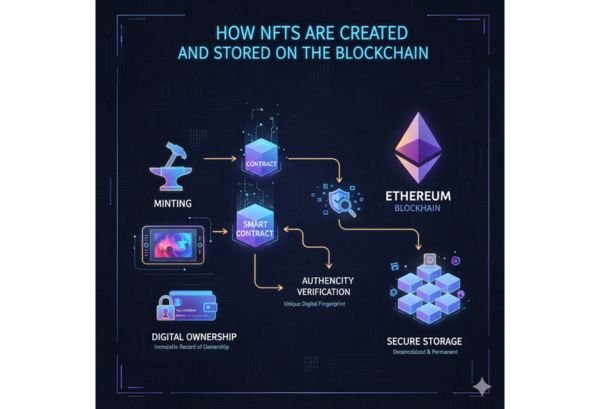
A Non-Fungible Token (NFT) is a unique digital identifier that cannot be copied, substituted, or subdivided. Think of it as a digital certificate of authenticity and ownership for a specific asset. The “non-fungible” part means it’s irreplaceable. You can trade one dollar for another and have the exact same value, but you can’t trade a one-of-a-kind painting for another and consider it an equal swap. NFTs apply this same logic to the digital world.
The technology that makes this possible is the blockchain. A blockchain is a decentralized database that stores information in a way that is permanent and tamper-proof. When an NFT is created (or “minted”), its unique information—like who made it and who owns it—is stored on this public ledger. This provides a transparent and verifiable history of ownership that anyone can see. While most early NFTs were built on the Ethereum blockchain, other networks like Solana and Polygon have become popular for their lower transaction costs and faster speeds.
Why Do NFTs Have Value?
The value of an NFT isn’t just about the image or file attached to it. It’s driven by a combination of factors:
- Authenticity: The blockchain proves who the original creator is and tracks every owner, guaranteeing the asset is genuine.
- Scarcity: Many NFT collections are released in limited numbers, creating digital scarcity similar to limited-edition prints or collectibles.
- Utility: Some NFTs grant owners access to exclusive communities, in-game items, or real-world events.
- Creator Royalties: Artists can program their NFTs to pay them a percentage of the sale price each time the work is resold, providing a continuous source of income.
Digital art is a prime example of this technology in action. Before NFTs, digital artists struggled to sell their work as unique pieces. Now, Buying Bitcoin they can create verified, one-of-a-kind digital originals. This shift was famously highlighted when artist Beeple sold an NFT collage for $69 million at Christie’s auction house, signaling a new era for art and collecting.
Your First Step: Getting a Crypto Wallet
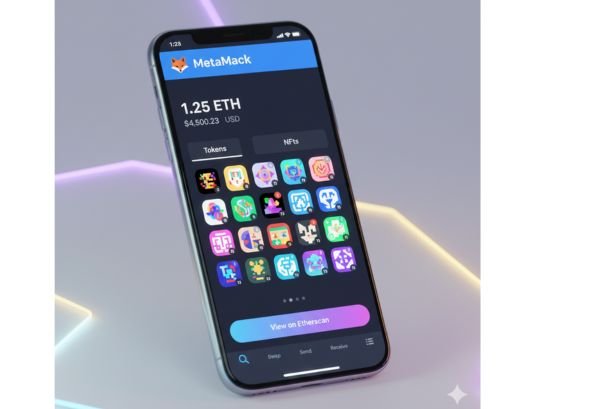
Before you can buy NFTs, you need a crypto wallet. This digital wallet stores your cryptocurrency and your purchased NFTs. It’s your personal portal to the world of Web3.
For most people starting out, MetaMask is the go-to choice. It’s a user-friendly and widely supported wallet that comes as a browser extension and a mobile app, allowing you to easily interact with most NFT Marketplaces.
Setting Up Your MetaMask Wallet: A Quick Guide
- Download from the Official Site: Go to
metamask.ioand download the extension for your browser (like Chrome or Firefox) or the mobile app. Always double-check the URL to avoid scams. - Create a New Wallet: Follow the on-screen instructions to create your wallet. You will be prompted to create a password that secures access on your device.
- Secure Your Secret Recovery Phrase: This is the most crucial step. MetaMask will provide a 12-word phrase. This is the master key to your funds. If you lose your password or device, this phrase is the only way to restore access. Write it down and store it in a secure, offline location. Never share it with anyone.
- Fund Your Wallet: Once set up, you need to add cryptocurrency. Most NFTs on the Ethereum blockchain are priced in Ether (ETH). You can buy ETH on a crypto exchange (like Coinbase or Gemini) and transfer it to your MetaMask wallet address.
Exploring the Top NFT Marketplaces
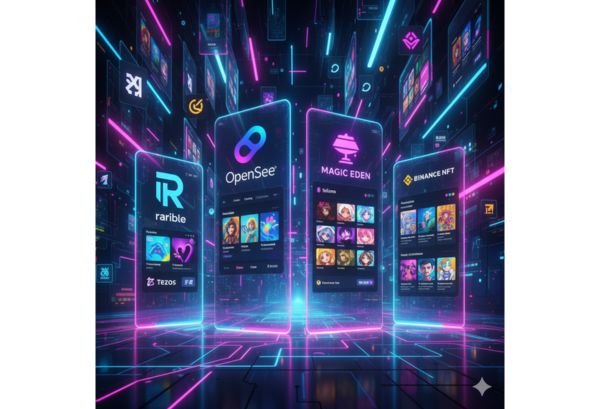
NFT Marketplaces are online platforms where you can discover, buy, sell, and trade NFTs. Think of them as the Amazon or eBay for digital assets. Each marketplace has its own community, fees, and specialty.
A Look at the Leading Platforms
Let’s dive into some of the most popular marketplaces to help you decide where to start.
OpenSea: The Industry Giant
Known as the original and largest NFT marketplace, OpenSea offers an enormous selection of digital assets, from art and collectibles to virtual real estate.
- Supported Blockchains: Primarily Ethereum, with added support for Polygon, Solana, Avalanche, and more.
- Key Features: A beginner-friendly layout, powerful search filters, and options for both fixed-price sales and auctions.
- Fees: OpenSea charges a 2.5% service fee on every secondary sale.
My Personal Take on OpenSea
When I first ventured into NFTs, OpenSea was my starting point. The sheer volume of projects was incredible. I remember connecting my MetaMask wallet and making my first purchase—a piece of generative digital art. The process was surprisingly smooth. The biggest learning curve was understanding gas fees, which were higher than I anticipated because I bought during a busy time on the Ethereum network. It was a valuable lesson in patience and timing.
What I Like:
- Unmatched selection of NFTs across countless categories.
- Intuitive interface that is accessible to beginners.
- High trading volume provides good liquidity for selling.
Areas for Improvement:
- The platform can feel overwhelming for newcomers.
- Ethereum gas fees can make smaller purchases impractical.
Magic Eden: The Solana Specialist
If you want to avoid high fees, Magic Eden is the premier marketplace on the Solana blockchain. Solana is known for its incredible speed and near-zero transaction costs, making it a popular alternative.
- Supported Blockchains: Primarily Solana.
- Key Features: A curated launchpad for new projects, a strong focus on the gaming community, and low fees.
- Fees: Magic Eden‘s fees are significantly lower than Ethereum-based platforms, often just a fraction of a percent.
My Personal Take on Magic Eden
My first experience with Magic Eden was a breath of fresh air. A transaction that cost me a noticeable amount in gas fees on Ethereum cost just pennies on Solana and was confirmed in seconds. This low-cost environment is perfect for collectors who want to buy and trade frequently without constantly worrying about high transaction fees. It’s a fantastic place to learn the ropes without a large financial commitment.
What I Like:
- Extremely low transaction fees and lightning-fast speeds.
- A well-curated launchpad for discovering new Solana-native projects.
- A thriving ecosystem for gaming NFTs.
Areas for Improvement:
- The selection of NFTs is smaller and less diverse than OpenSea’s.
- The Solana ecosystem is still developing its long-term reputation compared to Ethereum.
Rarible: The Community-Driven Platform
Rarible sets itself apart with a focus on decentralization and community governance. It operates across multiple blockchains and is partially governed by holders of its $RARI token.
- Supported Blockchains: Ethereum, Tezos, Polygon, and Solana, among others.
- Key Features: Multi-chain support, a decentralized governance model (DAO), and an aggregator that shows listings from other marketplaces.
- Fees: Rarible has a tiered fee structure that decreases as the sale price of an NFT increases.
What I Like:
- Its multi-chain functionality offers a broader perspective of the market.
- The community governance model gives users a voice in the platform’s direction.
- The aggregator helps find the best price for an NFT across the web.
Areas for Improvement:
- The user interface is not as streamlined as some competitors.
- The fee structure can be confusing for new users.
Binance NFT: The All-in-One Option
Integrated into the world’s largest cryptocurrency exchange, Binance NFT provides a seamless experience for existing Binance users.
- Supported Blockchains: BNB Smart Chain (BSC) and Ethereum.
- Key Features: Extremely low trading fees (a flat 1%), “Mystery Box” drops with random NFTs, and full integration with the Binance exchange.
- Fees: A flat 1% trading fee, which is one of the lowest available.
What I Like:
- The 1% trading fee is a significant advantage.
- The “Mystery Boxes” offer a fun, lottery-like way to acquire NFTs.
- It’s extremely convenient for anyone already using Binance.
Areas for Improvement:
- The marketplace is more centralized than others.
- The ecosystem is heavily focused on the BNB Chain, which may not appeal to all collectors.
NFT Marketplace Comparison
| Feature | OpenSea | Magic Eden | Rarible | Binance NFT |
|---|---|---|---|---|
| Primary Blockchain | Ethereum | Solana | Multi-chain | BNB Chain |
| Trading Fee | 2.5% | Variable (Low) | Tiered (0.5%+) | 1% Flat |
| Best For | Largest Selection | Low Fees & Speed | Community Focus | Binance Users |
| Key Strength | Market Dominance | Solana Ecosystem | Decentralization | Low Fees |
How to Buy an NFT: A Step-by-Step Walkthrough
Now that you’re prepared, here’s a simple breakdown of how to buy an NFT.
- Connect Your Wallet: Navigate to your chosen marketplace and click the “Connect Wallet” button. Choose MetaMask from the list and approve the connection in the pop-up.
- Find Your NFT: Browse the marketplace. Use filters to narrow your search by collection, price, or specific traits. Always research a project before buying. Check its official website, social media presence, and community engagement.
- Choose Your Purchase Type: You can either buy at a fixed price (“Buy Now”) or participate in an auction (“Place a Bid”). A “Buy Now” purchase is instant.
- Review the Total Cost: Before confirming, your wallet will show you the total price, including the NFT cost and the estimated gas fee. These fees are for processing the transaction on the blockchain and can vary greatly.
- Confirm the Transaction: If you’re happy with the total, click “Confirm.” The transaction will be sent to the blockchain for validation.
- View Your NFT: Once confirmed, the NFT is yours! You can view it in your profile on the marketplace or directly in your MetaMask wallet.
Conclusion: Entering the World of Digital Ownership
Understanding what are NFTs and how to buy them opens the door to a new form of digital ownership. While the market can be volatile, the underlying blockchain technology is poised to reshape how we interact with art, music, and communities online. By starting small, doing your research, and using trusted platforms, you can safely explore this exciting new frontier.
If you want to learn more about NFTs, blockchain trends, and digital assets, you can visit trusted sources like Ponta.in, MumbaiTimes.net, MindJournal.co, and BangaloreNews.net for in-depth insights and updates.
Frequently Asked Questions (FAQ)
1. Can you lose money buying NFTs?
Yes. The NFT market is speculative, and the value of an NFT can decrease after you buy it. Never invest more money than you are willing to lose.
2. What are gas fees?
Gas fees are transaction costs on the Ethereum blockchain. You pay this fee to network validators who use computing power to verify and record your transaction. These fees fluctuate based on network traffic.
3. Do I own the copyright if I buy an NFT?
Usually, no. Buying an NFT grants you ownership of the token itself, but the original creator often retains the intellectual property rights to the underlying asset.
4. What does it mean to “mint” an NFT?
Minting is the process of creating a new Non-Fungible Token by publishing a digital file to the blockchain. This officially makes it a tradable digital asset.
5. Are NFTs bad for the environment?
This was a major concern with older “proof-of-work” blockchains. However, Ethereum has since moved to a “proof-of-stake” model, which cut its energy use by over 99%. Other blockchains like Solana and Polygon are also built on energy-efficient technology.
6. What else can be an NFT besides digital art?
NFTs can represent almost anything. Common examples include music, video game items, virtual land, event tickets, and even ownership of real-world assets.
7. How can I avoid NFT scams?
Never share your wallet’s Secret Recovery Phrase. Be wary of unsolicited messages with “surprise” mint links. Always use official links from a project’s verified social media pages.
If you’re looking for professional web development, SEO services, digital marketing, content marketing, link building, or guest posting, please visit or contact LinkLuminous.com. And if you want to purchase high-quality products online, check out TokyoMart.store for great deals and a wide selection.
Author Bio:
This guide was crafted by a team of Web3 analysts and content creators with years of hands-on experience in the blockchain space. Our insights are derived from actively trading, researching, and participating in the NFT market since its early days, with deep familiarity of platforms like OpenSea, Magic Eden, and Rarible.
References:
- Fee structures and supported blockchains were verified via the official websites of OpenSea, Magic Eden, Rarible, and Binance as of Q4 2024.
- Information on Ethereum’s energy consumption is based on official reports from the Ethereum Foundation.
- Historical sales data, including the Beeple sale, is sourced from public auction records and on-chain data explorers.
