
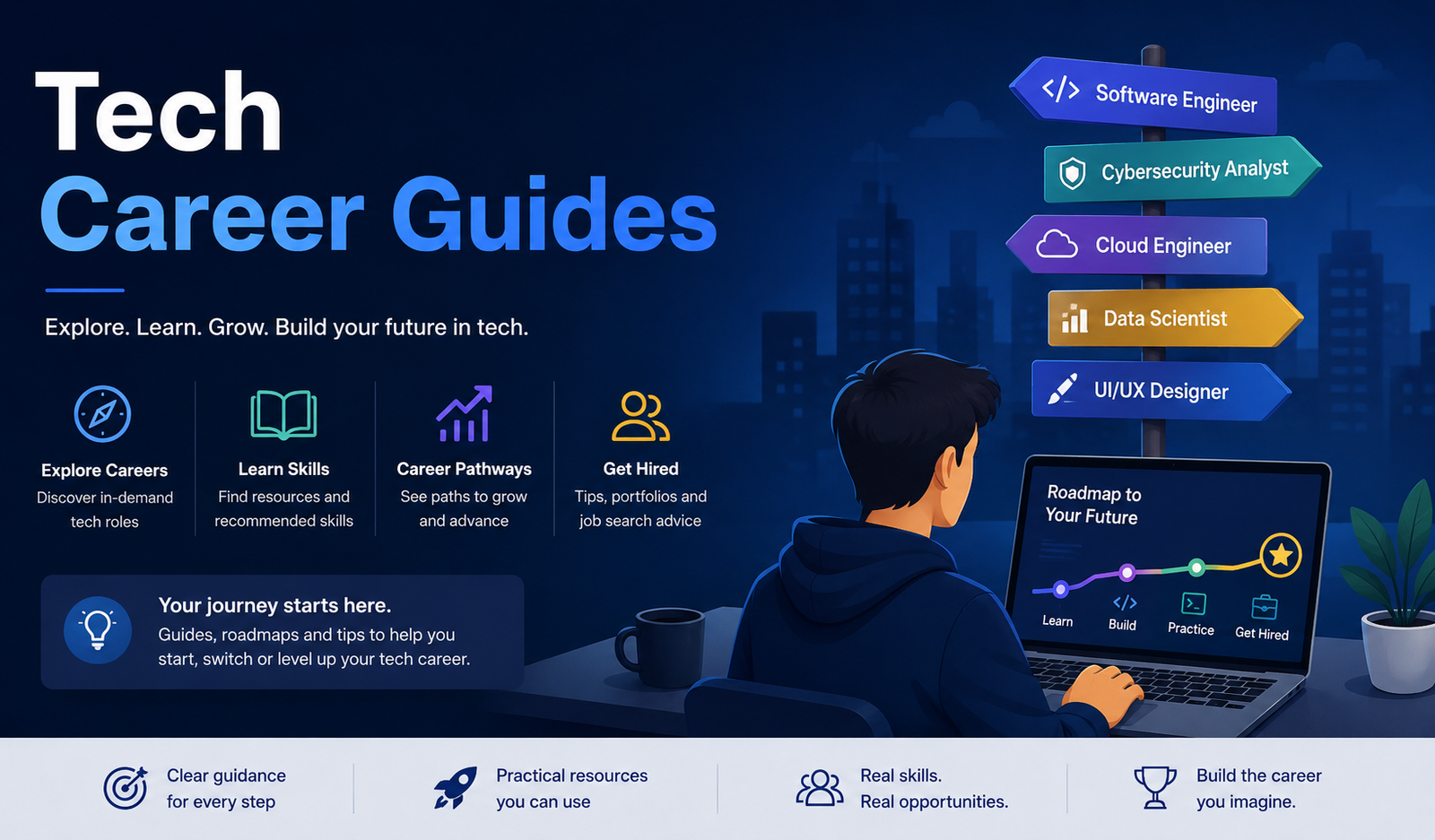
The technology sector is one of the most dynamic and rapidly expanding industries on the planet. Millions of jobs are created every year, offering competitive salaries, flexible working conditions, and the opportunity to build products that impact people globally. Many people assume you need a traditional computer science degree from a prestigious university to secure a role. That simply isn’t true anymore.
Companies are increasingly prioritizing skills, portfolios, and practical experience over formal education. Self-taught developers, bootcamp graduates, and career transitioners are successfully landing roles at top-tier companies. The path is accessible, but it requires strategic planning, consistent effort, and a clear understanding of the landscape.
This guide provides a comprehensive roadmap for navigating your entry into the tech industry. We will explore the most popular career tracks, identify the essential skills you need to develop, and outline the steps for building a standout portfolio. You will also learn how to tackle the notoriously rigorous tech interview process.
Understanding the Tech Career Landscape
The tech industry is vast. Finding your footing begins with identifying which area aligns best with your interests, strengths, and long-term goals. Here are the most prominent career tracks available today.
Software Engineering and Web Development
Software engineers are the architects and builders of the digital world. They design, create, and maintain the applications and systems we use daily. This field is generally split into three distinct categories.
Front-end developers focus on what the user interacts with. They use languages like HTML, CSS, and JavaScript, along with frameworks like React or Vue.js, to build responsive and visually appealing interfaces. Back-end developers handle the server side. They manage databases, server logic, and application programming interfaces (APIs) using languages such as Python, Java, or Node.js. Full-stack developers possess a working knowledge of both the front-end and back-end, allowing them to build complete applications from scratch.
Data Science and Analytics
Every interaction online generates data. Companies rely on data professionals to make sense of this massive influx of information. Data analysts focus on interpreting historical data to help businesses make informed decisions. They heavily utilize SQL, Excel, and data visualization tools like Tableau.
Data scientists take this a step further. They use advanced statistics, machine learning, and predictive modeling to forecast future trends. If you enjoy mathematics, problem-solving, and uncovering hidden patterns, the data track offers incredible earning potential and job security.
Cybersecurity and Information Security
As digital infrastructure expands, so does the threat of cyber attacks. Cybersecurity professionals protect networks, systems, and sensitive data from malicious actors.
Roles in this field range from security analysts who monitor networks for breaches, to ethical hackers (penetration testers) who actively try to break into systems to find vulnerabilities before criminals do. This career requires a deep understanding of network architecture, operating systems, and a mindset geared toward constant vigilance.
Product Management
You do not need to write code to thrive in tech. Product managers sit at the intersection of business, design, and engineering. They guide the lifecycle of a product from conception to launch.
A product manager’s primary responsibility is ensuring the team builds the right thing for the user. They conduct market research, define the product vision, prioritize features, and facilitate communication across different departments. This role demands exceptional communication skills, empathy for the end-user, and strong strategic thinking.
Essential Skills You Need to Succeed
Securing a job in tech requires a balanced combination of technical proficiency and interpersonal abilities.
Mastering the Hard Skills
Your required technical skills will depend entirely on your chosen career track. A prospective web developer must understand version control systems like Git, while a data analyst needs a strong grasp of relational databases.
The most effective way to build these hard skills is through project-based learning. Following tutorials is a great starting point, but true comprehension happens when you attempt to build something independently. When you encounter a bug or a logic error, the process of researching and fixing that specific issue solidifies your knowledge.
Developing Crucial Soft Skills
Technical brilliance can only take you so far. Communication is often the differentiating factor between a good tech professional and a great one. You must be able to explain complex technical concepts to non-technical stakeholders clearly and concisely.
Adaptability is another critical soft skill. Frameworks update, languages evolve, and best practices shift constantly. Cultivating a growth mindset—the belief that your abilities can be developed through dedication and hard work—will ensure you remain relevant as the industry changes.
Building Your Portfolio and Gaining Experience
A strong resume gets you in the door, but a robust portfolio proves you can do the work. Employers want to see evidence of your problem-solving abilities and code quality.
Creating High-Impact Personal Projects
Avoid relying solely on basic tutorial projects like calculators or simple to-do lists. While these are excellent for initial learning, they do not stand out to hiring managers.
Instead, build projects that solve real problems. Create a budget tracker that connects to a banking API, or build a data dashboard analyzing public health statistics. Document your process thoroughly in a README file on GitHub. Explain the technologies you chose, the challenges you faced, and how you overcame them. This documentation provides immense value to recruiters reviewing your profile.
Contributing to Open Source
Open source software is code that is freely available for anyone to use, modify, and distribute. Contributing to open source projects is a fantastic way to gain real-world experience.
It teaches you how to read existing codebases, collaborate with other developers asynchronously, and follow contribution guidelines. Start small by fixing typos in documentation or resolving minor “good first issue” bugs. As you gain confidence, you can propose new features or tackle more complex architectural issues.
Nailing the Tech Interview
The tech interview process is notoriously thorough. It typically consists of several stages, designed to evaluate both your technical prowess and your cultural fit within the company.
Conquering Technical Assessments
Technical interviews often involve live coding exercises, whiteboard sessions, or take-home assignments. Interviewers want to see how you approach a problem, not just if you can arrive at the correct answer.
When given a technical challenge, take a moment to understand the constraints. Ask clarifying questions before writing a single line of code. Think out loud as you work through the logic. If you get stuck, explain your thought process and what you are trying to achieve. Interviewers often provide hints if they see you are on the right track but missing a small detail.
Acing Behavioral Questions
Companies use behavioral questions to determine how you handle conflict, collaborate with others, and respond to failure. You can expect questions like, “Tell me about a time you disagreed with a colleague,” or “Describe a project that failed and what you learned.”
Prepare for these using the STAR method: Situation, Task, Action, Result. Outline the specific context, explain your responsibility, describe the exact steps you took, and quantify the outcome. This structure keeps your answers concise, focused, and highly effective.
Frequently Asked Questions (FAQ)
Do I need a degree to get a job in tech?
No, a formal degree is not strictly required for many tech roles. While some specialized fields (like artificial intelligence research) may heavily prefer advanced degrees, the vast majority of software engineering, web development, and design roles prioritize demonstrable skills and a strong portfolio.
How long does it take to learn enough to get hired?
The timeline varies wildly based on your background, chosen field, and the amount of time you dedicate daily. Generally, focused study for 6 to 12 months is sufficient to land a junior or entry-level position. Consistency is far more important than cramming.
Should I attend a coding bootcamp?
Bootcamps offer structured curriculums, mentorship, and career services, which can accelerate your learning significantly. However, they are expensive and demand full-time commitment. If you thrive in structured environments and need accountability, a bootcamp can be a great investment. If you are highly self-motivated, self-taught routes via online platforms can be just as effective at a fraction of the cost.
Your Next Steps in the Tech Industry
Breaking into the tech industry is a marathon, not a sprint. It requires dedication, resilience, and a willingness to constantly absorb new information.
Start by choosing a specific career track that excites you. Dedicate an hour every day to learning the foundational skills required for that role. Begin building a personal project as soon as possible, and don’t be afraid to make mistakes—errors are simply opportunities to learn. Connect with other tech professionals on platforms like LinkedIn and GitHub, and immerse yourself in local tech meetups or online communities. By consistently refining your skills and showcasing your work, you will position yourself for a successful and rewarding career in technology.
