
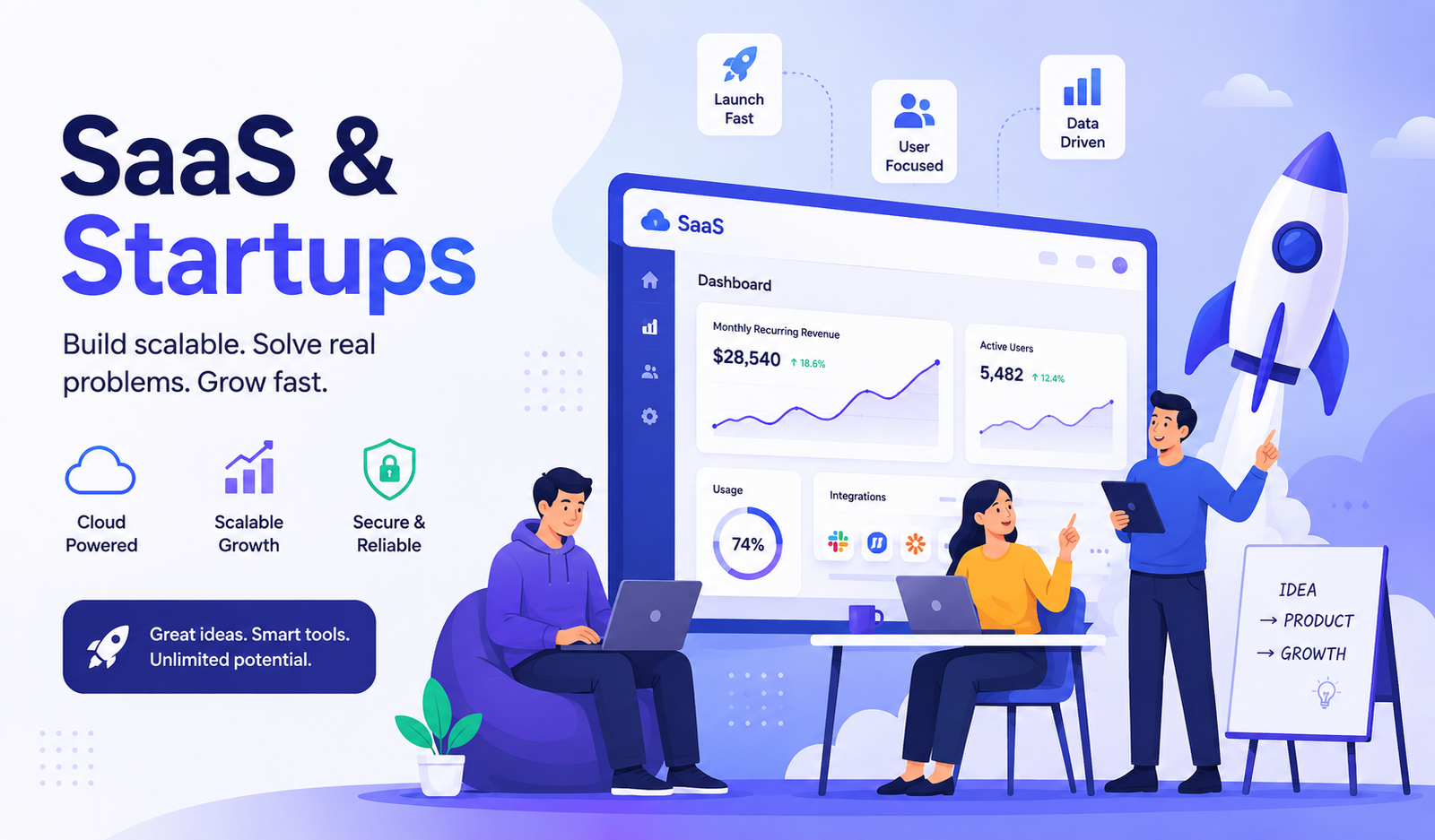
Starting a software-as-a-service company is a thrilling venture that requires equal parts innovation and endurance. The transition from a simple idea to a fully functioning product demands rigorous planning, market research, and an understanding of shifting consumer behaviors. Many founders launch with immense enthusiasm, only to find that building great software is just a small piece of the startup puzzle.
Developing a reliable customer base and maintaining recurring revenue are the true tests of business viability. The subscription model relies heavily on customer satisfaction. If your software fails to deliver ongoing value, users will simply cancel their subscriptions and move to a competitor.
This guide provides a comprehensive roadmap for building and scaling a SaaS startup. You will learn how to identify product-market fit, select the right pricing model, execute effective marketing strategies, and secure the funding necessary to keep your operations running smoothly. By the end of this post, you will have a clear, actionable strategy to guide your company from its initial launch to sustained, long-term growth.
Finding Your Product-Market Fit in SaaS
Product-market fit is the foundation of any successful startup. Without it, even the most beautifully designed software will struggle to gain traction. Achieving this fit means your product satisfies a strong market demand and solves a specific, painful problem for your target audience.
Solving a Real Problem
Many founders make the mistake of building a solution and then looking for a problem. The most successful SaaS companies do the exact opposite. They identify a frustrating workflow, an expensive inefficiency, or a communication gap, and they design software specifically to fix it.
Start by interviewing potential users in your target demographic. Ask them about their daily operations, their biggest bottlenecks, and the tools they currently use. Listen closely to their complaints. The friction points they describe are your biggest opportunities for software development.
Gathering User Feedback
Once you launch a minimum viable product (MVP), your focus should shift entirely to user feedback. Early adopters are incredibly valuable because they will test your software in real-world scenarios. Implement tracking tools to see how users navigate your application.
Encourage honest reviews through surveys and direct outreach. Pay attention to feature requests, but be strategic about implementation. You want to build features that serve the majority of your user base, rather than creating custom solutions for a single vocal client.
Structuring Your SaaS Business Model
Your pricing strategy directly influences your customer acquisition costs and your overall revenue trajectory. Choosing the right model requires an understanding of your target audience’s budget and the perceived value of your software.
Freemium vs. Free Trial
The freemium model offers a basic version of your software at no cost, with premium features locked behind a paywall. This approach is excellent for rapid user acquisition and building brand awareness. Users can test the core functionality without any financial risk. However, converting these free users into paying customers can be challenging.
A free trial, on the other hand, gives users full access to your premium software for a limited time. This method creates a sense of urgency. Users experience the full power of your tool, and if it becomes integrated into their daily workflow, they are highly likely to subscribe once the trial expires.
Pricing Tiers That Scale
Implementing tiered pricing allows you to cater to different segments of your market. A common structure includes three tiers: a basic plan for individuals or small teams, a professional plan with advanced features for growing businesses, and an enterprise plan offering custom integrations and dedicated support.
Ensure the distinctions between your tiers are clear. Customers should understand exactly what additional value they receive when they upgrade. Base your pricing metrics on usage, such as the number of active users, storage space, or total monthly transactions.
Marketing Strategies for Early-Stage Startups
Getting eyes on your product is one of the hardest hurdles for a new SaaS company. You need cost-effective strategies that generate high-quality leads and establish your brand as an authority in your niche.
Content Marketing and SEO
Organic search traffic is a highly sustainable acquisition channel. Creating high-quality blog posts, whitepapers, and guides that answer the questions your potential customers are asking will drive targeted traffic to your site.
Focus on long-tail keywords related to the problems your software solves. If your product is a project management tool for graphic designers, write comprehensive guides about improving design workflows and managing creative assets. Over time, search engines will recognize your site as a valuable resource, lowering your customer acquisition costs significantly.
Leveraging Social Proof
Early on, trust is your biggest currency. Potential customers want to know that your software works reliably before they commit to a subscription. Case studies and testimonials are powerful tools for building this trust.
Reach out to your most successful early users and ask if you can highlight their experience. Detail the challenges they faced before using your product, the specific ways your software helped them, and the measurable results they achieved. Display these success stories prominently on your landing pages.
Customer Retention: The Lifeblood of SaaS
Acquiring a new customer is significantly more expensive than keeping an existing one. In the SaaS industry, a high churn rate will quickly bankrupt a company, regardless of how many new users sign up each month.
Reducing Churn
Understanding why customers leave is the first step in fixing the problem. Implement exit surveys to gather data on canceled subscriptions. Are users finding the software too difficult to use? Is the price too high? Are they missing a critical feature?
Improve your onboarding process to ensure new users experience the value of your software as quickly as possible. Provide interactive tutorials, clear documentation, and proactive customer support. A user who successfully integrates your software into their routine during the first week is much less likely to churn.
Upselling and Cross-Selling
Your existing customer base is a prime audience for revenue expansion. As your clients grow their own businesses, their needs will become more complex. Offer upgrades to higher-tier plans that provide the advanced features they require.
If you develop complementary products or add-on modules, present these to your active users. Sending targeted emails highlighting how a specific add-on can solve a new problem they are facing is a highly effective way to increase the lifetime value of your customers.
Securing Funding and Managing Cash Flow
Building software requires capital. You have to pay developers, cover server costs, and fund your marketing efforts long before you achieve profitability. Choosing how to fund your startup will dictate your company’s structure and growth expectations.
Bootstrapping vs. Venture Capital
Bootstrapping involves funding the company yourself and relying entirely on early revenue to fuel growth. This path allows you to retain complete ownership and creative control. You grow at your own pace and answer only to your customers. However, bootstrapping often means slower growth and a highly restricted budget.
Venture capital provides a massive influx of cash, allowing you to hire top talent rapidly and aggressively scale your marketing efforts. In exchange for this capital, you give up equity and a degree of control. Investors expect high-speed growth and a significant return on their investment within a few years. Carefully weigh these options based on your personal risk tolerance and your long-term vision for the company.
Essential Tools for SaaS Startups
Running a modern software company requires a robust technology stack. Utilizing the right tools will automate your internal workflows and improve team collaboration.
- Customer Relationship Management (CRM): Track your leads, manage customer interactions, and monitor sales pipelines.
- Analytics Platforms: Monitor website traffic, track user behavior within your app, and measure the success of your marketing campaigns.
- Payment Gateways: Securely process recurring subscriptions, handle failed payments, and manage invoicing.
- Communication Hubs: Keep your remote teams connected through instant messaging and video conferencing.
Frequently Asked Questions About SaaS Startups
How long does it take to build a SaaS MVP?
The timeline for building a minimum viable product varies wildly depending on the complexity of the software. A simple tool might take three to four months to develop, while a complex enterprise platform could take over a year. Focus on core functionality first and release early to start gathering feedback.
What is a good churn rate for a SaaS business?
A healthy churn rate for an early-stage SaaS startup is typically between 3% and 5% per month. Enterprise-focused SaaS companies usually aim for a much lower churn rate, often under 1% per month, because they rely on long-term contracts.
How do I calculate Customer Acquisition Cost (CAC)?
Calculate your CAC by dividing your total sales and marketing expenses over a specific period by the number of new customers acquired during that same timeframe. Keeping your CAC lower than the lifetime value (LTV) of your customers is vital for sustainable business operations.
Take the Next Step in Your SaaS Journey
Building a successful SaaS startup is a marathon. It requires a deep understanding of your audience, a commitment to solving their problems, and the agility to adapt your strategies based on data and feedback. By prioritizing product-market fit, carefully structuring your pricing, and maintaining a relentless focus on customer retention, you set your company up for sustainable success.
Take the time to evaluate your current business model. Identify one area—whether it is your onboarding process, your content marketing, or your customer feedback loop—and implement a strategy to improve it this week. Consistent, incremental improvements are the true drivers of startup growth.
